POSSIBLE 2026 brought together some of the brightest minds in marketing — 7,500 attendees, 300-plus exhibitors, and a packed schedule of roundtables and fireside chats set against the backdrop of Miami Beach. Unsurprisingly, AI dominated the conversation. But so did the tension around it.
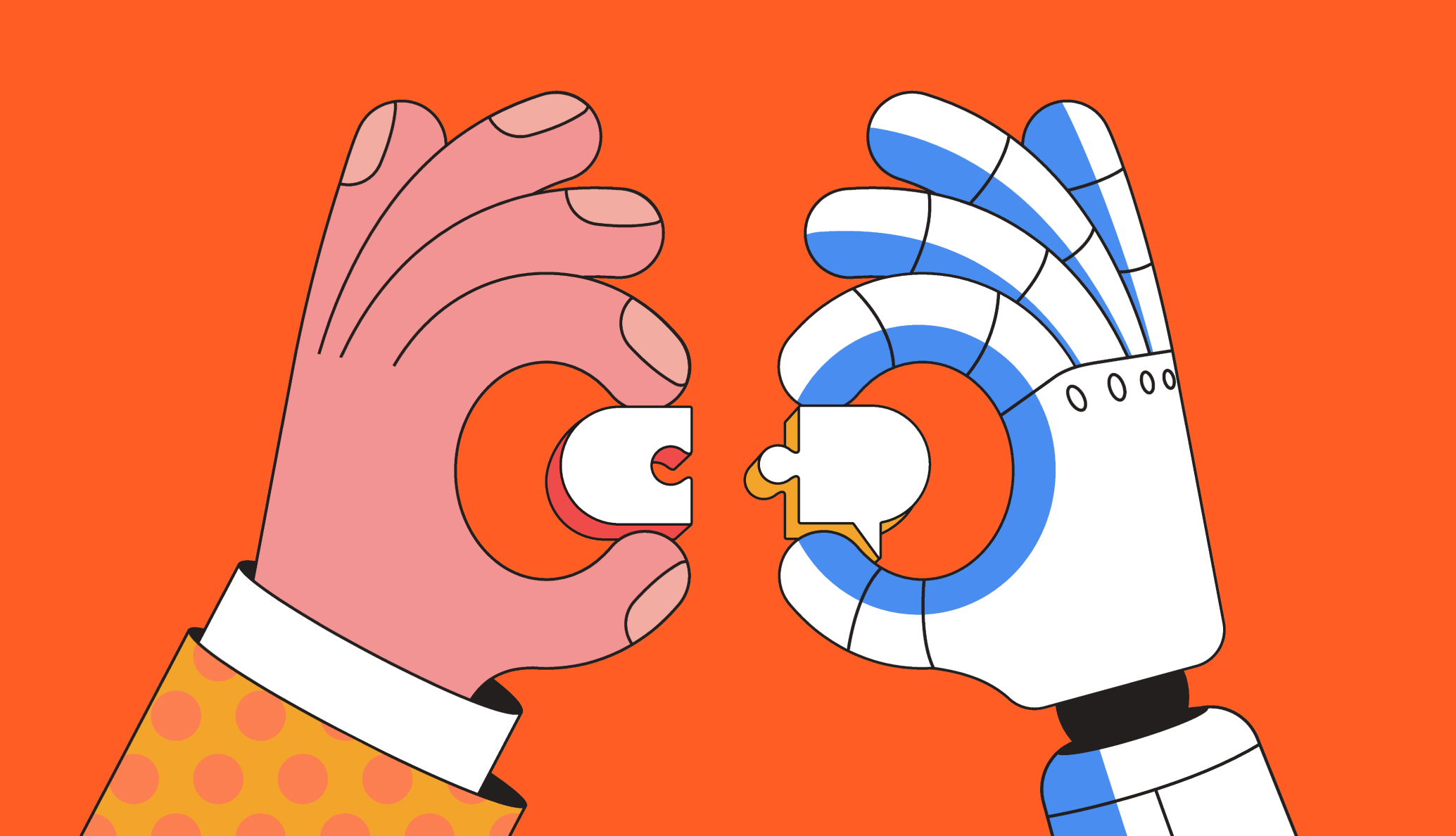
For all the talk of automation, optimization, and scale, a clear paradox emerged: the more powerful AI becomes, the more essential the human experience feels.
Host Christian Muche, Global President and Co-Founder of POSSIBLE, opened with a direct challenge: marketing has always been grounded in empirical data, and now it’s time to lead with measurable impact. That challenge set the tone for everything that followed.
Kellyn Smith Kenny, Chief Marketing & Growth Officer at AT&T, reinforced a complementary shift: in today’s landscape, trust is the currency, and customer experience often outweighs marketing itself. Growth, she noted, increasingly sits at the intersection of the C-suite — where CMOs, CTOs, and CFOs must operate in lockstep. Underneath every conversation was the same question: What does AI change, and what does it demand of us?
Five takeaways stayed with our team:
- Trust over everything
- “Later” means never
- AI requires intention, not just adoption
- The C-suite must operate as one (CMO, CTO, CFO)
- Customer experience outperforms marketing — by a wide margin
Across all five themes, one thread was consistent: The role of AI is becoming clearer. It will make us faster, more efficient, and more capable of driving impact at scale, but only if it’s applied with intention. Because while AI can handle execution, it raises the bar for everything upstream: better briefs, sharper thinking, stronger storytelling, and a deeper understanding of people. That’s where the real opportunity lives. Not in replacing what humans bring, but in clearing the path for more of those things — the taste, judgment, creativity, and empathy that actually move people.