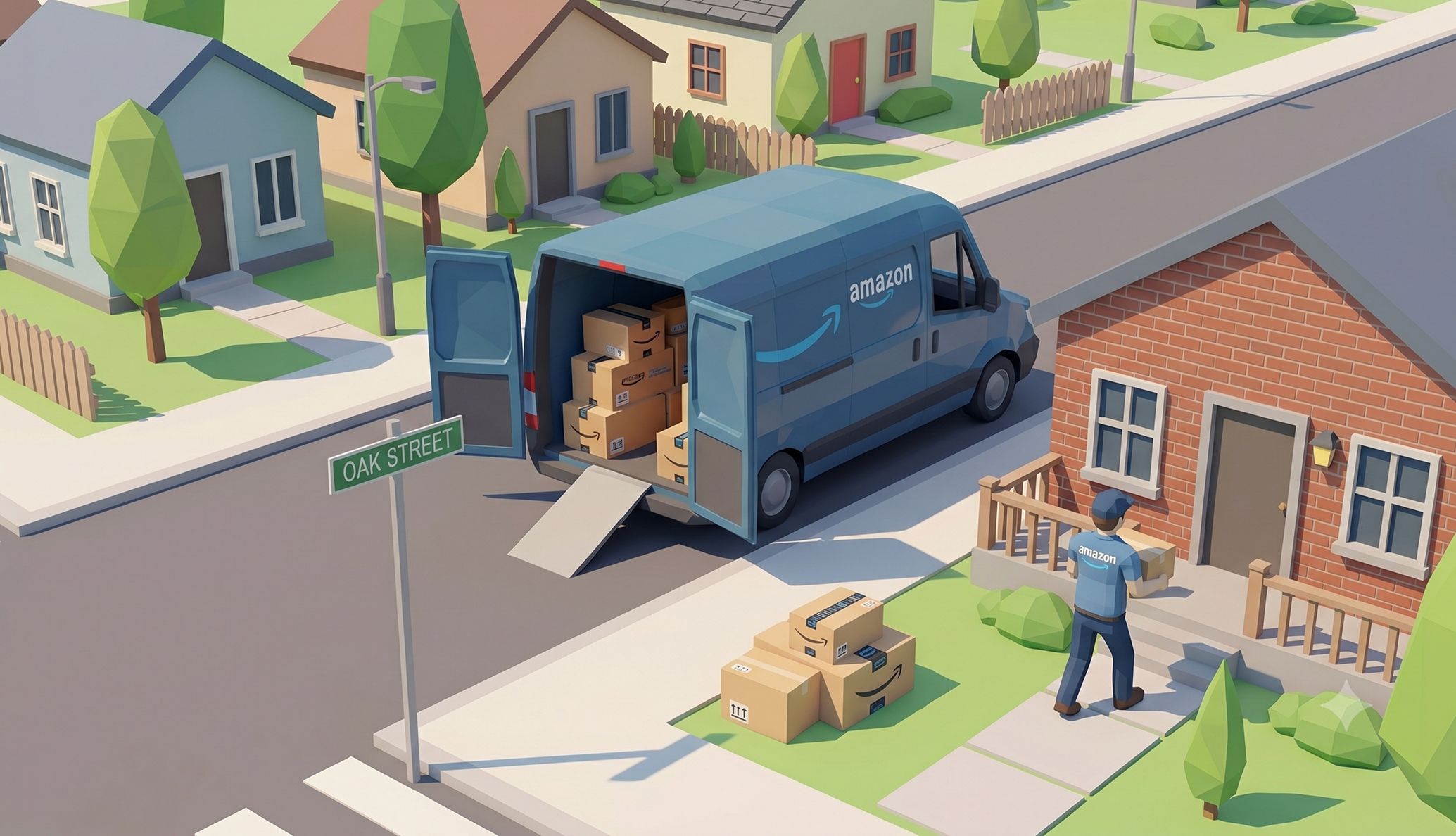
Prime Day moved to June 23-26 this year, and most teams are treating that as a logistics problem to solve. The shift exposed something bigger: a strategy problem that was there all along.
“Prime Day landing in June is definitely a new challenge,” I recently heard Stephen Reagan, our Chief Commerce & Media Officer, tell a colleague. He’s right, but it’s worth being precise about the kind of challenge. Prime Day now lands at the end of Q2 instead of the start of Q3. Clients who plan budgets quarterly lose room to normalize spend and stay dynamic around the event.
Plenty of teams are scrambling to reallocate budgets around the new date. The brands feeling the most friction are the ones that treat Prime Day as their entire Amazon strategy: build toward it for months, then go quiet until the next big event. The whole plan moves with the date, and so does the stress.
Brands with always-on Amazon programs don’t carry that exposure. They’re already in-market with campaigns running, content live, inventory managed, and audiences building. Prime Day amplifies a market they already own, and the work of building it happened months earlier. Those brands clear eligibility and capture the ~13x sales lift Amazon cites in its Prime Day readiness data. Brands banking everything on a two-day sprint rarely reach that bar.
Amazon’s deal calendar rewards continuity
Prime Day gets the headlines, but Amazon runs high-intensity commerce events all year: Prime Big Deal Days, Black Friday, Cyber Monday, and Prime Day itself. They all run on concentrated demand, algorithmic boosts for eligible products, and curated placements for brands that clear the bar.
Those events compound for brands that stay in-market between them. Organic rank doesn’t reset after Prime Day. Reviews accumulate. Conversion data sharpens. A brand that runs a disciplined Prime Day program in the summer often exits in a stronger algorithmic position than it entered. That position carries straight into Big Deal Days and the Q4 holiday season if maintained.
Event-only strategies forfeit that. They spike, go quiet, spike again. The baseline never builds.
The Q2 timing makes the cost of that pattern harder to ignore. Teams on quarterly budgets get less time to absorb learnings, less flexibility to shift spend mid-quarter, and less runway to course-correct. Always-on programs blunt that exposure. The foundation already exists before Q2 ever starts.
Eligibility sets your ceiling
The ~13x sales multiplier Amazon cites for Prime Day can be real. It isn’t guaranteed.
Amazon curates placement on its high-visibility surfaces: homepage deal modules, category featured spots, and the “As Seen on Social” unit. The platform serves products that clear eligibility on competitive deals, catalog compliance, optimized content, and strong relevance signals. Miss the bar, and no amount of bidding buys the placement.
Here’s the misconception I see most: teams assume media spend creates the ceiling. Eligibility does. Advertising amplifies traffic while promotions, content, and catalog quality decide how much traffic exists to amplify in the first place.
Get the foundation right before the campaign opens
The active media window runs about four weeks. It starts roughly two weeks before Prime Day, extending through the event itself and 7–10 days after. But the real campaign starts earlier. Inventory and eligibility work begins four to six weeks out, which is why the whole thing reads less like a two-day sprint and more like a six-week build. The outcome gets decided before the campaign opens.
- Inventory: Amazon won’t feature a product it can’t fulfill. Stock has to be in position four to six weeks out, with 28+ days of post-event coverage planned. Amazon Warehousing and Distribution (AWD) bypasses FBA capacity limits for high-volume brands. Activate it well ahead of the deadline. Ads send shoppers to a product. The spend evaporates if that product is out of stock, and recovering the rank loss takes weeks.
- Deals submission: Submissions carry hard deadlines. Miss them, and you forfeit curated placements, regardless of what else you’ve built.
- Catalog compliance: Image overlays, policy violations, and listing errors pull products from curated placements before the event opens.
- PDP and content readiness: A+ content, hero images, and bullets need to be final before the campaign starts. The lead-up is not the window for editing listings.
The three-phase campaign
Phase 1. Lead-up: ~2 weeks out
The lead-up earns consideration. Shoppers know deals are coming, and they won’t pay full price the week before. Push conversion tactics in this window, and you get poor results and inflated CPAs. The job is to enter the consideration set, so the purchase decision is already half-made when deals open.
On Amazon: run Sponsored Products auto campaigns to surface converting keywords, then shift to manual keywords for event bidding. Use Sponsored Display to build in-market audiences. Off Amazon: brief influencer partners, start social content, prime email lists with preview messaging. Plant the flag, then wait for deals to open before you ask for the sale.
Phase 2. Event: all hands
This phase demands more active management than most brands plan for. Hourly bid adjustments, sell-through monitoring, and budget pacing translate directly into gains when managed and avoidable losses when missed.
Push deal SKUs hard. Scale Sponsored Products bids to meet demand rather than cap it. Sponsored Products campaigns with video earn a 9% lift in click-through rate over campaigns without it, according to Amazon Ads. Apply video bid boosts before the event opens, while there’s still time to set them deliberately. Watch sell-through closely. Products moving faster than projected may need bid adjustments to protect conversion rate, and underperformers usually signal a content or pricing issue. Both are fixable in-flight if you catch them early.
Phase 3. Post-event: ~7–10 days after
Most advertisers pull back the moment the event ends, citing softening demand. That pullback creates the opening.
Spend drops across the category, CPCs fall, and placements get less contested. Brands that stay in-market here can take share that becomes structurally hard to reclaim later. Shoppers who browsed during Prime Day but didn’t buy remain retargetable. Sponsored Display and video retargeting recapture that demand at a lower cost than event-period bidding. This window also yields the most actionable data of the year: which SKUs overperformed, which keywords drove qualified traffic, and where content failed to convert. The optimizations you build from it raise the always-on baseline for every event that follows.
If you’ve already missed the ideal timeline
You can still capture a shortened Prime Day if you started later than ideal. Two moves matter most.
Media plan prep: Concentrate budget on the phases you can still execute well. Skip the full prospecting ramp and weight spend toward the event and post-event windows, where intent runs highest and competitors thin out. Lock event-day budget rules and bid adjustments now, so pacing runs on rails when there’s no time to manage hourly.
Catalog prioritization: Brands with large catalogs should concentrate on a handful of priority SKUs rather than spread thin promotions across the catalog. A few products with clean listings, deal eligibility, and inventory depth will outperform a wide, half-ready push.
The carryover effect: Prime Day lifts more than Amazon
Not all demand created during Prime Day converts on Amazon. A shopper who discovers a brand through a deal and doesn’t buy may complete the purchase on the brand’s DTC site, through a retail partner, or in-store, often in the weeks that follow.
That puts DTC and retail teams in the Prime Day conversation from the start. They’re downstream beneficiaries of the awareness Amazon’s events create. That demand finds a competitor when brand.com isn’t stocked, retargeted, and ready to convert the overflow.
It’s one more argument for always-on thinking. The lift Prime Day generates doesn’t respect channel boundaries or event windows. It flows wherever the brand already has presence. The brands capturing the most of it are the ones already active everywhere when it arrives.
What separates the brands that win on Amazon
Amazon gives every brand the same tentpole events. The foundation underneath them varies brand by brand.
Prime Day in June makes that point harder to ignore. There’s less time to ramp, less flexibility to course-correct, and less margin for an event-only strategy to rescue itself. The brands that feel that pressure most are the ones for whom Prime Day was the whole plan.
The ones who don’t feel it? They were never waiting for it.